The Impact of Social Interaction on Fitness Motivation
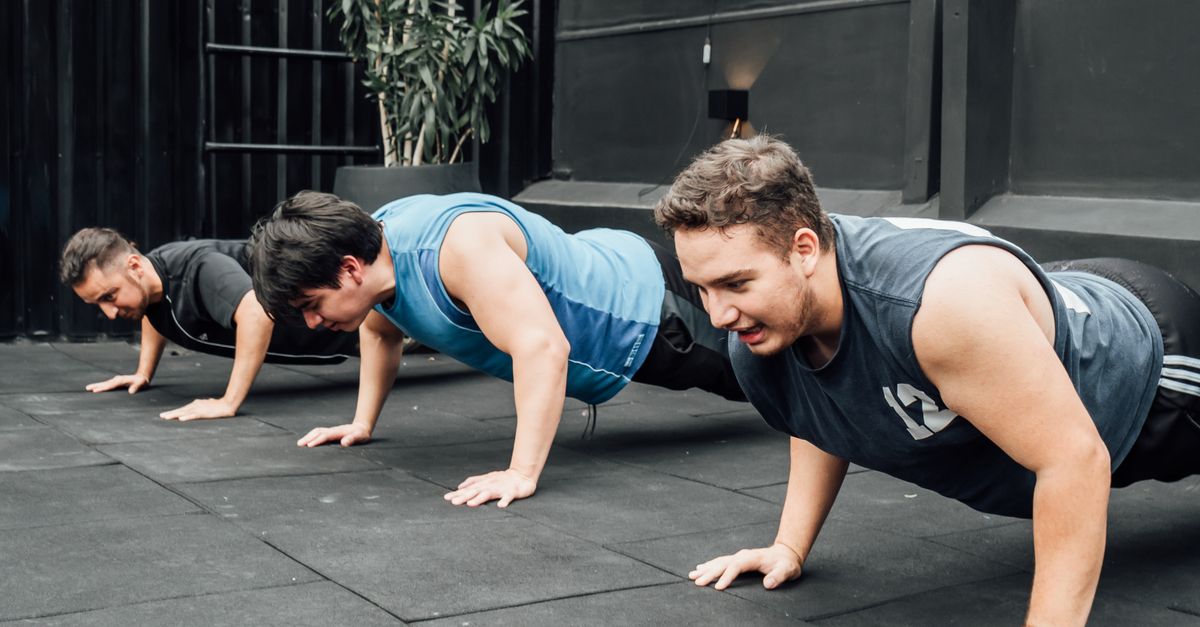
Table Of Contents
Social Interaction and Goal Achievement
Social connections play a significant role in enhancing the pursuit of fitness goals. Individuals who share their objectives with friends, family, or workout partners often find themselves more accountable. This accountability fosters a sense of commitment to one's goals as social interactions can create positive pressure, encouraging individuals to stick to their fitness plans and work harder during workouts.
Additionally, group support and encouragement can lead to increased motivation levels. When people engage in fitness-related conversations, they can exchange tips, celebrate milestones, and address challenges together. Such interactions promote a sense of belonging and can make the journey toward achieving fitness goals more enjoyable and fulfilling. As individuals witness the progress of their peers, it can serve as inspiration, motivating them to push through barriers and remain dedicated to their personal fitness aspirations.
How Sharing Fitness Goals Enhances Performance
Sharing fitness goals fosters a sense of accountability among individuals. When people articulate their ambitions to friends, family, or workout partners, they create a commitment that often encourages them to stay on track. This support network can provide encouragement during challenging moments, making it easier to push through obstacles. In addition, discussing goals enables individuals to receive constructive feedback. This exchange of ideas can lead to improved strategies, ensuring that efforts remain effective and aligned with personal aspirations.
Furthermore, the act of sharing goals can increase motivation by creating a collective spirit. When exercising within a group, individuals often feel inspired by one another’s progress and achievements. This shared experience enhances the sense of belonging, which can be a powerful driver for motivation. Celebrating milestones together also reinforces the journey toward fitness, making every step more enjoyable and less solitary. These interactions create a dynamic environment that not only bolsters personal commitment but also enriches the overall experience of pursuing a healthier lifestyle.
The Role of Competition in Fitness Motivation
Competition often fuels motivation in fitness, pushing individuals to strive for higher performance levels. Friendly rivalry can lead to increased effort, as the desire to outperform others enhances a person's commitment to their fitness goals. In environments where competition is encouraged, participants may experience a surge in adrenaline that propels them to complete their workouts with greater intensity. This phenomenon is particularly evident in group settings, where the presence of peers amplifies the challenge and excitement associated with physical activities.
Additionally, competition cultivates accountability among individuals. When fitness enthusiasts openly share their goals and outcomes, they create a community-driven environment that fosters support and encouragement. The desire to not fall behind among peers can lead to more consistent training habits, as individuals push each other to stay on track. This dynamic not only strengthens personal dedication but also builds lasting relationships among participants, reinforcing a shared commitment to health and fitness.
Healthy Rivalry and Its Effects on Progress
Engaging in healthy rivalry can significantly enhance one's fitness journey. When individuals compete with friends or peers, it ignites a sense of accountability that often leads to improved performance. The desire to keep up or surpass others provides motivation to push limits and consistently show up for workouts. This dynamic fosters an environment where participants inspire each other, driving each other to reach higher and achieve personal bests.
Additionally, friendly competition often leads to goal-setting that is both challenging and realistic. When participants openly share their targets, it creates a collective spirit that can elevate the experience of training. Observing the progress of others can provide a benchmark that encourages striving for excellence. This environment not only serves to reinforce personal commitments but also builds camaraderie that enriches the overall experience of pursuing fitness.
Overcoming Barriers Through Social Connections
Social connections play a pivotal role in overcoming barriers to fitness. When individuals share their fitness journeys with friends or family, they often find additional motivation and support. These relationships create a sense of accountability, making it easier for individuals to stick to their workout plans. When challenges arise, having someone to lean on can provide encouragement and guidance, which helps in navigating obstacles.
Group dynamics also contribute to breaking down the mental hurdles often associated with fitness pursuits. Joining a workout class or a running group fosters a community atmosphere where individuals motivate one another. The collective energy in these settings can elevate performance levels beyond what one might achieve alone. As members celebrate each other’s successes, they reinforce the notion that fitness is a shared journey, making the process more enjoyable and sustainable.
The Power of Group Dynamics in Fitness
Group dynamics play a crucial role in shaping fitness experiences, often influencing individuals' commitment to their routines. Engaging with a community fosters a sense of accountability, as members support one another in pursuing their fitness goals. Shared interests create bonds, enhancing motivation through collective efforts. In-group exercises, participants often push themselves harder, encouraging each other to reach new heights and overcome personal challenges.
Social connections can lighten the burden of tough workouts, transforming them into enjoyable shared activities. When exercising alongside others, feelings of camaraderie can reduce perceived exertion, making physical challenges seem more manageable. This shared experience not only cultivates a positive atmosphere but also reinforces the habit of regular exercise. The encouragement and camaraderie found in group settings reinforce a fitness culture that prioritizes collective well-being, leading to improved adherence to healthy lifestyles.
FAQS
How does social interaction contribute to goal achievement in fitness?
Social interaction can significantly enhance goal achievement in fitness by providing accountability, support, and encouragement. When individuals share their fitness goals with others, they are more likely to stay committed and motivated to reach those goals.
In what ways can sharing fitness goals enhance performance?
Sharing fitness goals can enhance performance by creating a sense of community and support. It fosters an environment where individuals can encourage each other, share successes, and address challenges together, ultimately leading to improved results.
What role does competition play in fitness motivation?
Competition can serve as a powerful motivator in fitness by pushing individuals to perform better and challenge themselves. Healthy rivalry can inspire athletes to reach new personal bests and maintain a consistent workout routine.
How does healthy rivalry affect progress in fitness?
Healthy rivalry can positively affect progress by encouraging individuals to strive for improvement while maintaining a supportive relationship with their competitors. This type of competition can lead to increased effort, dedication, and satisfaction in achieving fitness goals.
How can social connections help overcome barriers to fitness?
Social connections can help overcome barriers to fitness by providing support, motivation, and a sense of belonging. Group dynamics can create a more enjoyable workout experience, making it easier to stick to fitness routines and overcome challenges together.
Related Links
Creating Lasting Bonds: Social Experiences in Group TrainingHow Group Fitness Encourages Community Engagement in Geelong
Creating a Supportive Community: The Essence of Group Fitness
Navigating the Social Dynamics of Group Workouts
Group Fitness as a Catalyst for Social Change in Communities
Enhancing Social Skills Through Fitness Classes in Geelong
Fostering Friendships: The Social Benefits of Group Classes
The Role of Social Support in Group Training Success
Building Connections Through Group Fitness in Geelong