How to Create a Circuit Training Routine at Home
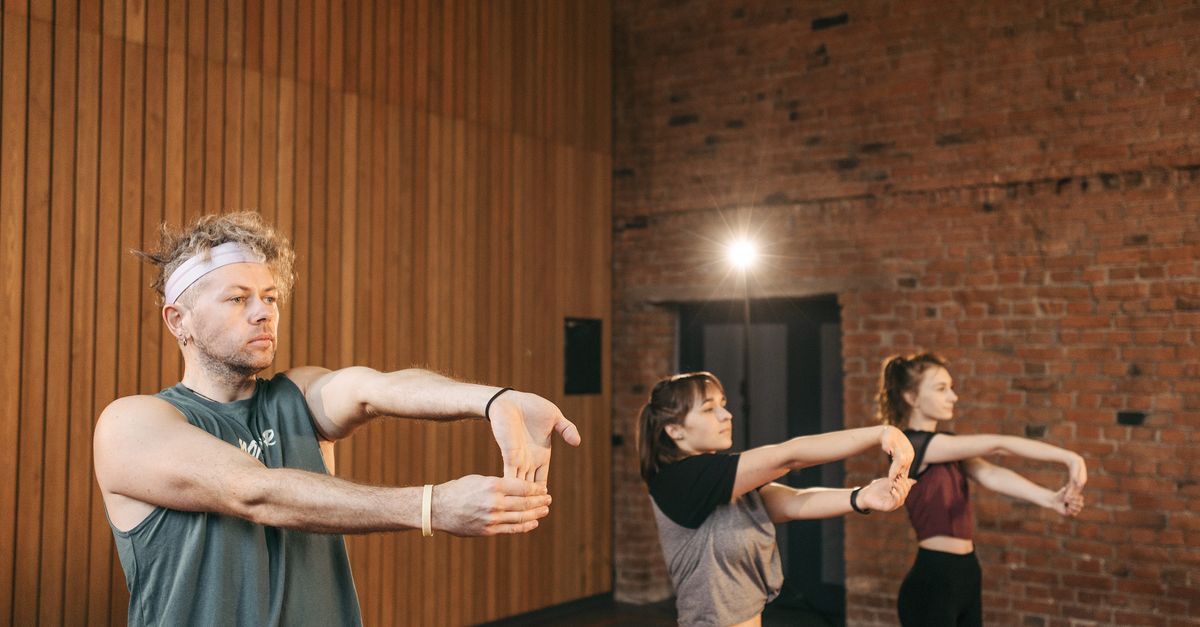
Table Of Contents
Sample Circuit Training Routines
To get started with circuit training at home, beginners can focus on a simple routine that takes about 20 to 30 minutes. A sample circuit might include bodyweight exercises such as squats, push-ups, and lunges, combined with core exercises like planks or sit-ups. Each exercise can be performed for 30 seconds, followed by a 15-second rest before moving on to the next one. Completing three rounds of this circuit provides an effective workout while also allowing newcomers to build stamina and strength gradually.
For those at an intermediate or advanced level, routines can incorporate more challenging movements and additional equipment. These might include kettlebell swings, burpees, and box jumps. A possible interval could involve 45 seconds of work followed by 15 seconds of rest, with four or five rounds to increase intensity. Customizing the circuit with higher repetitions or shorter rest periods can help push personal limits, ensuring a dynamic and engaging training session.
Beginner, Intermediate, and Advanced Options
For beginners, a simple circuit training routine can include bodyweight exercises that focus on form and endurance. Activities such as squats, push-ups, and lunges can be performed in sets of 10 to 15 repetitions. It’s beneficial to aim for 30 seconds of rest between exercises to maintain energy and prevent injury. Incorporating a few essential movements creates a balanced approach that enhances overall fitness without overwhelming the body.
Intermediate participants may increase the intensity by adding weights or resistance bands. This stage could involve more complex movements such as kettlebell swings, burpees, and mountain climbers. The recommended structure might include completing each exercise for 30 seconds followed by a 15-second rest. This increase in effort promotes muscle development and cardiovascular endurance, allowing for more challenging routines as strength improves.
Incorporating Warm-Up and Cool Down
A well-structured workout routine should always start with a warm-up to prepare the body for more intense activity. This phase increases heart rate and promotes blood flow to the muscles, helping to enhance flexibility and reduce the risk of injury. Dynamic stretches, light cardio, or mobility exercises serve as effective components of a warm-up. Engaging in these activities for 5 to 10 minutes lays a solid foundation for the upcoming circuit training session.
Just as important as warming up is the cool-down phase at the end of the workout. This allows the body to transition back to a resting state and helps prevent muscle stiffness and soreness. Gentle stretching and deep breathing can aid in recovery by promoting relaxation and restoring heart rate to normal levels. Allocating time for this phase not only enhances physical recovery but also provides mental closure to the workout, reinforcing a sense of achievement.
Importance of Preparation and Recovery
Effective circuit training requires careful preparation and recovery to ensure optimal performance and minimize the risk of injury. A proper warm-up increases blood flow to the muscles, enhancing flexibility and readiness for the upcoming exercises. Dynamic stretches and light cardiovascular activities serve as excellent warm-up routines. This preparation phase not only enhances physical readiness but also mentally prepares individuals to focus on their workout.
Recovery is equally important in maintaining a consistent training routine. Engaging in cool-down activities, such as gentle stretching and breathing exercises, helps the body transition back to a resting state. This process aids in reducing muscle soreness and promotes overall recovery. Incorporating adequate rest days into a training schedule allows the body to repair and strengthen itself after intense workouts. Prioritizing both preparation and recovery ultimately contributes to long-term fitness success.
Tracking Progress and Staying Motivated
Monitoring your progress is essential for maintaining motivation in any workout routine. Keeping a journal or using a fitness app can help you track your workouts, noting the exercises you perform, the number of sets and repetitions, and any changes in resistance or duration. Documenting your achievements, no matter how small, creates an empowering sense of accomplishment. This not only aids in recognizing patterns in your performance, but also highlights areas needing improvement.
Setting realistic goals plays a critical role in your routine. Short-term objectives, such as completing all circuits without a break or increasing the weight used, can help maintain enthusiasm and commitment. Celebrate these milestones as they are steps towards your overarching fitness ambitions. Surrounding yourself with a supportive community, whether online or locally, can further amplify motivation by sharing experiences and achievements. Acknowledging progress, both in fitness levels and overall well-being, fosters a positive mindset in your home training environment.
Setting Goals and Measuring Success
Establishing clear and achievable goals is essential for anyone embarking on a circuit training journey. Begin by defining what you want to accomplish, whether it’s improving endurance, building strength, or losing weight. Break down your goals into smaller milestones to make them more manageable. For instance, you might choose to aim for a certain number of repetitions or a specific duration for each exercise. This step-by-step approach helps maintain focus and enhances motivation.
Measuring success goes beyond simply tracking physical changes. Consider keeping a workout journal to document your progress, including reps, sets, and how you feel after each session. Regularly revisit your initial goals to assess your advancement. Celebrating small achievements along the way fosters a sense of accomplishment and keeps enthusiasm alive. Finding the right balance between challenging yourself and recognizing your progress can significantly influence your commitment to your routine.
FAQS
What is circuit training?
Circuit training is a form of body conditioning or resistance training that involves a series of exercises performed in succession, targeting different muscle groups, usually with minimal rest in between.
Can I create a circuit training routine without any equipment?
Yes, you can create a circuit training routine using bodyweight exercises such as push-ups, squats, lunges, and planks, making it accessible for anyone without equipment.
How long should a circuit training session last?
A circuit training session typically lasts between 20 to 60 minutes, depending on your fitness level, the number of circuits, and rest periods included.
How often should I perform circuit training at home?
It is generally recommended to perform circuit training 2 to 4 times per week, allowing for rest days in between to help with recovery and prevent overtraining.
What are some effective warm-up and cool-down exercises?
Effective warm-up exercises include dynamic stretches like arm circles, leg swings, and high knees. For cooling down, static stretches such as hamstring stretches, quadriceps stretches, and shoulder stretches are beneficial.
Related Links
The Role of Circuits in Improving Cardiovascular HealthEssential Equipment Needed for Effective Circuit Training
Incorporating Circuit Training into Your Weekly Fitness Schedule
The Importance of Proper Form in Circuit Training Exercises
High-Energy Circuit Training Classes Available in Geelong
How to Stay Motivated During Circuit Training Sessions
Common Mistakes to Avoid in Circuit Training Workouts
Comparing Circuit Training to Traditional Weight Lifting