Exploring the Psychological Benefits of Group Fitness on Motivation Levels
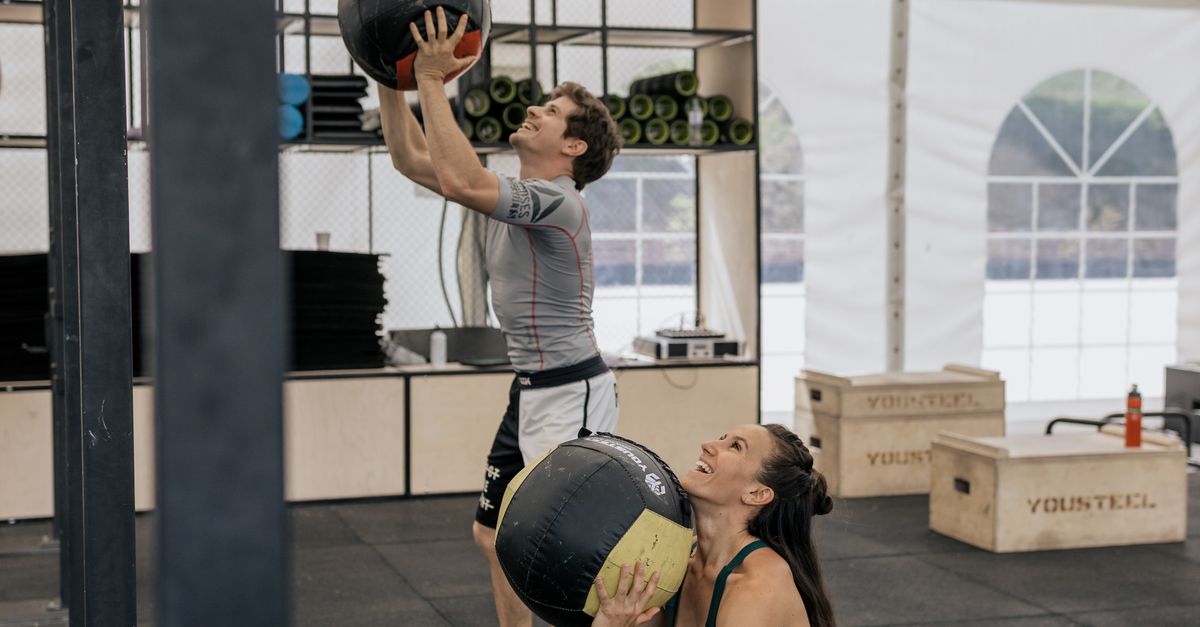
Table Of Contents
Overcoming Barriers with Group Support
The journey to fitness often presents various barriers, including lack of motivation, time constraints, and feelings of isolation. Group fitness environments create a sense of belonging that can significantly reduce feelings of solitude in the pursuit of health. When individuals engage in exercise alongside others, they feel more connected and supported. This communal aspect encourages participants to push through challenges and remain dedicated to their fitness goals.
In a group setting, members often share similar aspirations and struggles, which fosters empathy and understanding. Individuals find strength in numbers, drawing motivation from their peers' progress and perseverance. Support from fellow participants helps to cultivate a positive atmosphere where challenges are tackled collectively. This sense of accountability can be a powerful motivator, enabling individuals to overcome personal barriers that might otherwise hinder their fitness journey.
Encouraging Consistency Through Camaraderie
Engaging with others in a group fitness setting creates a sense of belonging that fosters commitment. Participants often feel a social obligation to show up, driven by the collective energy and shared goals within the group. This accountability helps individuals push through moments of self-doubt or apathy. Establishing friendships through repeated workouts enhances the experience, making attendees less likely to skip sessions.
The bonds formed in these classes play a significant role in maintaining motivation. Group members celebrate each other’s progress, reinforcing a supportive environment where everyone thrives. By encouraging participation over competition, camaraderie becomes a motivating factor. The shared experience of challenges and achievements cultivates a strong determination to remain consistent, ultimately leading to improved fitness outcomes.
The Influence of Group Leaders
Group leaders play a crucial role in shaping the atmosphere of fitness classes. Their energy, charisma, and ability to connect with participants can significantly enhance the overall experience. An effective instructor not only demonstrates exercises but also encourages individuals to push past their limits. By fostering an inclusive environment, they create a sense of belonging that encourages attendees to engage with each other and the workout.
The influence of group leaders extends beyond mere instruction. They serve as motivational figures who inspire participants to stay committed to their fitness goals. Instructors often provide personalized feedback and positive reinforcement, helping individuals recognize their progress. This tailored attention can bolster self-esteem and motivate attendees to remain consistent in their workouts, ultimately contributing to a more fulfilling fitness journey.
How Instructors Foster Group Motivation
Instructors play a pivotal role in shaping the motivational landscape of group fitness classes. Their enthusiasm sets the tone for each session, energizing participants and making the workout feel more engaging. Consistent encouragement from an instructor can instill a sense of accomplishment in individuals. By celebrating small victories and progress, they help foster a supportive environment that boosts overall morale and keeps participants committed to their fitness journeys.
Instructors often employ various techniques to maintain high energy levels and motivation within the group. They may use personalized shout-outs to individuals or engage the entire class in group challenges, reinforcing a sense of community. The dynamic between instructor and participants can enhance accountability, with members feeling more inclined to show up and push themselves. This relationship nurtures a positive atmosphere, ultimately contributing to increased motivation and improved results.
Comparison and Competition in Group Classes
Group fitness classes provide an environment ripe for comparison and competition, elements that can significantly boost motivation levels among participants. Individuals often assess their progress in relation to their peers, using these comparisons as benchmarks for personal improvement. This dynamic can encourage members to push their limits, leading to enhanced performance and greater commitment to fitness goals. The supportive nature of group settings can transform these comparisons into positive motivators rather than sources of stress.
Healthy rivalry frequently emerges in group classes, fostering an atmosphere where participants challenge one another constructively. This competition can manifest in various forms, from casual encouragement to lighthearted contests, igniting a drive to excel. When members witness their peers achieving milestones, it often inspires them to strive for similar successes. The camaraderie that develops through shared experiences can make these competitive moments enjoyable, further entrenching individuals in their fitness journeys.
Healthy Rivalry as a Motivational Tool
In a group fitness setting, the element of friendly competition can significantly enhance individual motivation. Participants often find themselves inspired by the achievements of their peers. This dynamic encourages effort and drives individuals to push their personal limits. The desire to keep pace with others can lead to an increase in overall performance and satisfaction during workouts.
Moreover, healthy rivalry cultivates a sense of belonging within the group. As participants engage in light-hearted competition, bonds form that foster a supportive environment. This camaraderie can transform the workout experience, making it more enjoyable and meaningful. When individuals see their peers striving for improvement, they are more likely to commit to their own fitness goals, creating a cycle of motivation that benefits everyone involved.
FAQS
What are the psychological benefits of group fitness?
Group fitness provides a sense of community and support, which can enhance motivation and adherence to fitness routines. Participants often feel more accountable and inspired to push their limits when surrounded by others.
How does camaraderie impact motivation in group fitness settings?
Camaraderie fosters a supportive environment where individuals encourage each other, making it easier to stay committed to their fitness goals. The shared experiences and friendships formed can reinforce consistency and enjoyment in workouts.
What role do group leaders play in motivating participants?
Group leaders or instructors play a crucial role in shaping the group dynamic. They provide guidance, set the tone for the class, and can inspire participants through their enthusiasm and expertise, which enhances overall motivation levels.
Can competition in group fitness be beneficial?
Yes, healthy competition can serve as a motivational tool. It encourages participants to challenge themselves and push their limits while fostering a sense of achievement and camaraderie among group members.
How can I find a group fitness class that suits my needs?
Look for classes that align with your fitness goals and interests. Consider trying different types of classes or instructors until you find a community that feels supportive and motivating for you. Many gyms offer trial classes to help you make a decision.
Related Links
Motivation in Motion: How Group Interaction Enhances Training OutcomesThe Role of Group Dynamics in Boosting Motivation During Fitness Classes
The Influence of Group Energy on Individual Motivation in Exercise
Building a Supportive Network: Elevating Motivation Through Group Fitness
Group Fitness and its Impact on Personal Accountability in Workouts
The Power of Encouragement: Motivational Strategies in Group Fitness Classes
Setting and Achieving Goals Together in Group Fitness Sessions
Community Support: A Key Factor in Sustaining Motivation in Group Workouts
How Group Fitness Classes Foster Group Accountability in Geelong