Effective Techniques for Strength Training in Group Settings
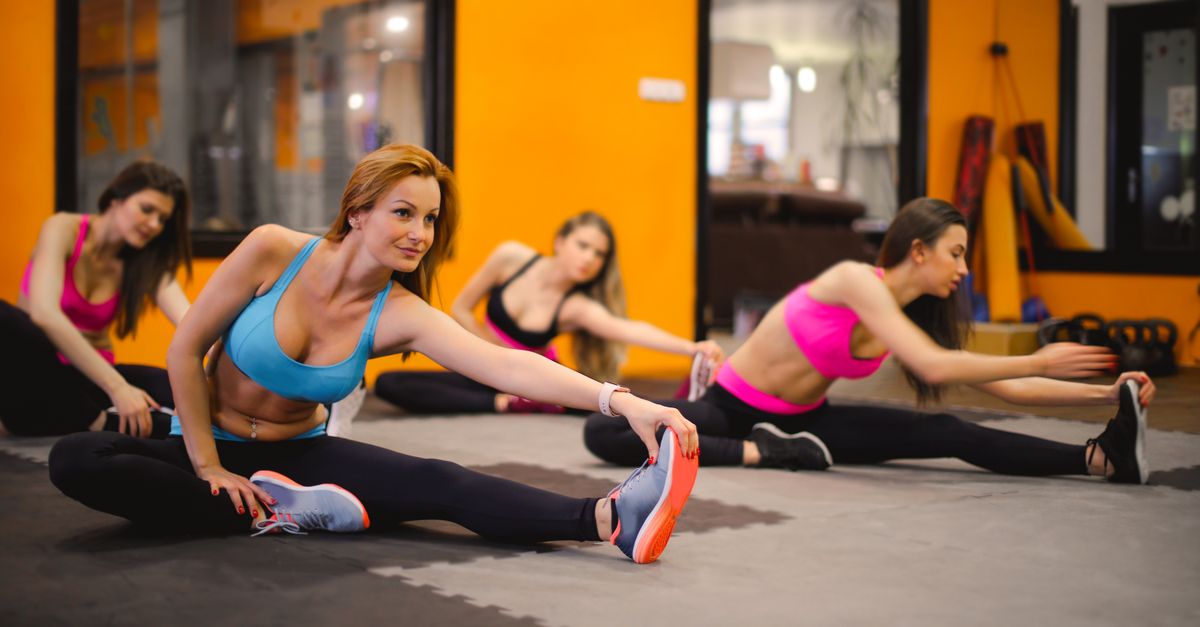
Table Of Contents
Ensuring Safety in a Group Environment
The foundation of any successful group strength training session is ensuring safety among participants. A thorough assessment of the training space is essential before beginning any exercises. This includes checking for adequate space, secure equipment, and proper ventilation. Instructors should clearly communicate the layout of the workout area and establish boundaries to prevent accidents. Participants must also be educated on the correct use of equipment to avoid injuries.
Another crucial aspect involves creating an open line of communication between the instructor and the group. Encouraging participants to express their concerns about safety can foster a sense of community. Regular reminders about proper form and technique will promote awareness. When everyone feels safe and supported, they can focus on their performance and overall enjoyment of the training session.
Best Practices for Injury Prevention
In a group training setting, emphasizing proper form and technique is crucial for minimizing injury risks. Participants should receive clear demonstrations of exercises, focusing on alignment and movement patterns. It is beneficial to encourage individuals to listen to their bodies and communicate any discomfort. Having trained instructors available to provide guidance and corrections can further reinforce safe practices among group members.
Implementing a warm-up routine prior to strength training sessions lays a foundation for injury prevention. These warm-ups should include dynamic stretches and mobility exercises tailored to the movements planned for the session. Additionally, preparing participants mentally for the workout helps them approach the training with focus and awareness. Incorporating regular assessments of individual capabilities ensures that exercises remain appropriate for each participant's fitness level, fostering a safer environment overall.
Tracking Progress as a Team
Monitoring group achievements can significantly boost motivation and camaraderie among participants. Establishing a shared tracking system encourages team members to celebrate milestones, whether they involve individual lifts or collective goals. Digital tools and apps provide visual representations of progress, allowing everyone to see improvements over time. This shared visibility fosters a sense of accountability while promoting friendly competition.
Regularly scheduled check-ins can help reinforce collective progress and identify areas for growth. Team meetings offer opportunities to discuss challenges, share tips, and adjust training plans as necessary. Incorporating group challenges or benchmarks can further enhance the sense of teamwork while providing external motivation. By celebrating achievements as a unit, participants are more likely to remain engaged and committed to their fitness journey.
Methods for Monitoring Group Achievements
Establishing clear metrics for success is crucial when participants aim to enhance their strength and fitness levels. Utilizing tools such as performance tracking apps can help participants log their workouts, track their weights, and monitor repetitions over time. Regular performance assessments, such as monthly benchmarks or fitness challenges, encourage individuals to push themselves while providing tangible evidence of improvement. Creating a communal leaderboard can also foster a sense of friendly competition, motivating group members to strive for higher achievements.
Group feedback sessions can play an essential role in the monitoring process. Encouraging participants to discuss their progress fosters a supportive environment where individuals feel accountable and celebrated for their efforts. Utilizing visual aids such as charts or graphs displayed in the training area can further emphasize progress. Acknowledging milestones, no matter how small, strengthens bonds within the group and reinforces commitment to personal and collective goals.
Creating a Fun and Inviting Atmosphere
A vibrant atmosphere can significantly enhance participants' motivation and overall experience during group strength training sessions. Incorporating music with energizing beats can elevate the mood, making workouts more enjoyable. Interactive activities, such as group challenges or friendly competitions, encourage camaraderie and foster a sense of community, leading to increased engagement among members.
Additionally, personalizing the environment can create a more welcoming space. Simple decorations, like colorful banners or motivational quotes, contribute to a positive vibe. Encouraging members to share their fitness journeys and celebrating individual milestones strengthens bonds within the group, promoting a supportive culture that motivates everyone to push their limits.
Engaging Activities to Enhance Enjoyment
Incorporating fun and dynamic exercises can elevate the overall experience of strength training in a group setting. Activities like partner workouts or team challenges foster camaraderie among participants. Creating a friendly competition can also motivate members to push their limits. Using props such as resistance bands or medicine balls adds variety and excitement to routines.
Themed workout sessions can further enhance engagement and creativity. For instance, participants might enjoy dressing up for a “superhero” workout or taking part in a seasonal fitness event. Group leaders can also introduce music playlists that align with the intensity of the activities, boosting energy levels and creating a vibrant atmosphere. These strategies not only make workouts enjoyable but also encourage consistent attendance and commitment among team members.
FAQS
What are some safety measures to take when conducting strength training in a group setting?
Safety measures include ensuring proper equipment setup, performing a thorough warm-up, monitoring participants for correct form, and encouraging open communication about any discomfort or injuries.
How can I prevent injuries when leading a group strength training session?
Best practices for injury prevention involve educating participants on proper techniques, gradually increasing weights, allowing for adequate rest between sessions, and incorporating a variety of exercises to avoid overuse injuries.
How can I effectively track progress within a group?
Tracking progress can be done by setting group goals, using performance metrics such as weight lifted or repetitions completed, and regularly assessing improvements through fitness tests or progress checks.
What methods can be used to monitor group achievements?
Methods for monitoring achievements include creating a shared progress chart, using fitness apps, or holding regular check-ins to discuss individual and group accomplishments and set new goals.
How can I create a fun atmosphere during strength training sessions?
To create a fun atmosphere, introduce engaging activities like fitness challenges, incorporate music, celebrate milestones, and encourage teamwork through partner exercises or group competitions.
Related Links
How to Get Started with Group-Based Strength Training in GeelongThe Benefits of Strength and Conditioning Classes for All Fitness Levels
The Best Gear for Group Strength Training in Geelong
Nutritional Tips for Maximising Results from Group Strength Classes
Community and Camaraderie in Group Strength Training Sessions